

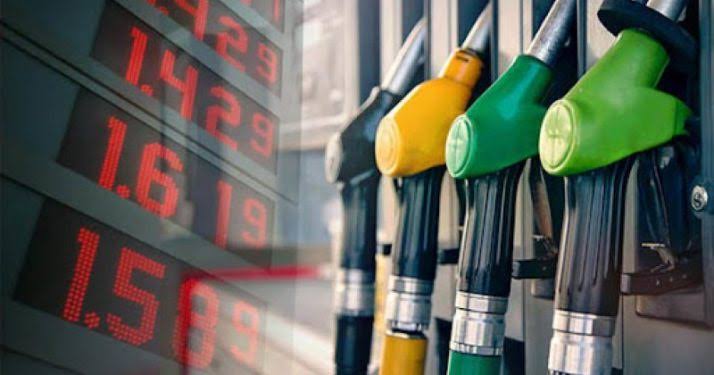
The latest market projections from the Chamber of Oil Marketing Companies (COMAC) indicate that motorists will get some respite during this second pricing window of October. On a cash-purchase basis, petrol prices are projected to decline by nearly 2% (1.67%), bringing the average pump price down to GH¢17.67 per litre.
Diesel consumers will see an even more significant drop, with prices expected to fall by 3.32% to retail around GH¢19.30 per litre. This price drop builds upon earlier stabilization efforts during the October 1 pricing window,where prices were held steady following a GH¢2 diesel levy alongside government-industry interventions involving Tema Oil Refinery and Sentuo Oil supplying refined products at previous rates.
While lower transport fuel prices offer welcome relief to drivers and logistics firms, kitchen budgets are facing a major squeeze as LPG prices surge by 18.50%, driving the cost of refill up to GH¢20.60 per kilogramme.
Behind these diverging prices lies a complex mix of international energy market pressures and domestic currency performance. On the global market, average crude oil prices actually increased by 2.03% to US$126.73 per barrel, driven by renewed supply concerns surrounding geopolitical conflicts, including uncertainties around a US-backed energy ceasefire involving Ukraine and fresh attacks on Saudi Arabia amid tensions with Iran.
Despite higher crude costs, refined product prices moved in opposite directions: international petrol and diesel prices dropped by 3.93% and 6.68% respectively, whereas international LPG prices jumped by 7.77%.
Domestically, the Ghana cedi weakened by 1.61% between September 26 and October 11, trading at an average bank rate of GH¢11.8222 to the US dollar. COMAC highlighted that the cedi has lost more than 11% of its value against the US dollar so far this year, noting that "seasonal import demand and higher energy costs continuing to put pressure on the currency".
Because Ghana relies heavily on imported refined petroleum, currency depreciation naturally raises the local cost of purchasing fuel in foreign currency, limiting the full benefits of falling global fuel benchmarks.
To guide the market, the National Petroleum Authority (NPA) has revised its mandatory minimum price floors downward for petrol and diesel while increasing the floor for cooking gas.
For the October 16 window, the petrol price floor drops from GH¢16.45 to GH¢16.09 per litre, and diesel's minimum floor falls from GH¢17.97 to GH¢17.09 per litre. In contrast, the LPG minimum price floor has been raised from GH¢11.10 to GH¢13.87 per kilogramme.
The NPA clarified the nature of these benchmarks, stating: "These price floors exclude premiums charged by International Oil Trading Companies (IOTCs), operating margins of Bulk Import, Distribution and Export Companies (BIDECs), and margins charged by Oil Marketing Companies and LPG Marketing Companies".
Because individual Oil Marketing Companies (OMCs) independently calculate their operating margins and supplier charges, actual pump prices will vary slightly across different filling stations nationwide.
In summary, while Ghanaian motorists and transport operators can expect slight savings on petrol and diesel from mid-October,households must prepare for significantly higher cooking gas expenses.
The combination of global refined product price trends, cedi depreciation, and NPA benchmark adjustments creates a mixed financial picture for consumers across the country.To make the most of your budget,compare pump prices across various Oil Marketing Companies before filling up your tank or gas cylinder.



Comments (0)
No comments yet. Be the first to share your thoughts.